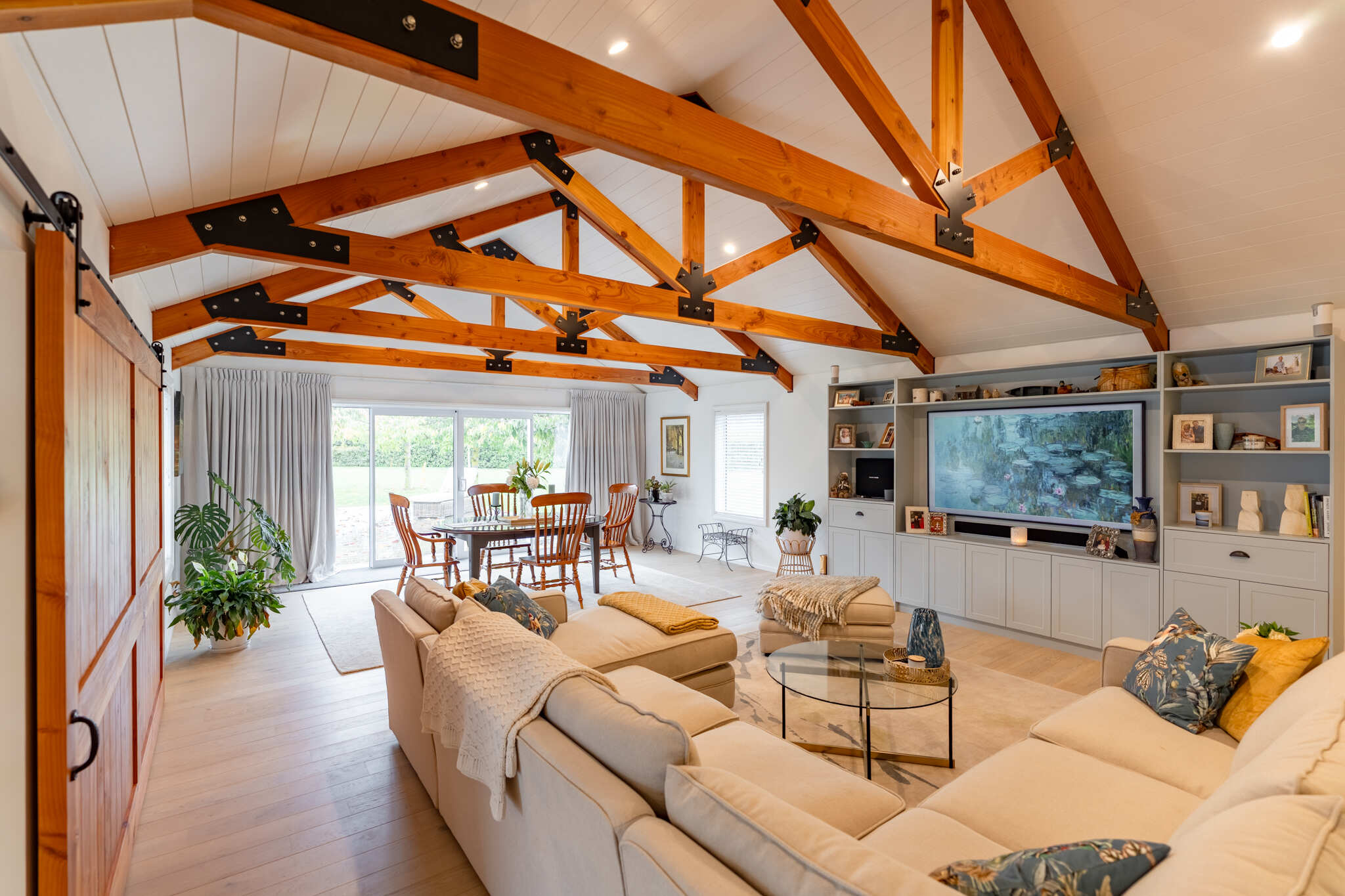
If you’re running out of space but love where you live, extending your home can be an excellent alternative to moving. Whether you need another bedroom, a larger living area, a home office, or better indoor-outdoor flow, a well-planned extension can transform the way your home functions while allowing you to stay in the neighbourhood you already enjoy.
One of the most common questions we hear from homeowners is, “Can I extend my house?” The good news is that many homes can be extended. However, every property is different, and there are several factors that need to be considered before investing in plans, design work, or building costs.
As a specialist extension builders in North Canterbury, we’ve written this guide to cover the key things to consider before starting a home extension project.
Can Most Houses Be Extended?
In many cases, yes.
However, whether an extension is possible, practical or cost-effective depends on factors such as:
- The amount of available space on your site
- District Plan requirements
- Existing building layout and structure
- Easements and underground services
- Site access
- Your budget and long-term plans
A professional assessment early in the process can help identify any potential challenges and determine whether an extension is likely to be the right solution for your property.
Gareth and Lauren can assess your property from a physical suitability aspect, and then we can engage our designer to investigate the feasibility from a planning and structural perspective.
Is There Enough Space On Your Property?
One of the first things to consider is whether your site has enough room to accommodate an extension.
While this might sound obvious, there is more to it than simply finding a spare patch of lawn. Local planning rules often control how much of a site can be covered by buildings, how close structures can be built to boundaries, and how outdoor living areas are maintained. Planning rules vary across Christchurch City Council, Waimakariri District Council and Hurunui District Council where we work.
A property may appear to have plenty of space available, but planning restrictions or site constraints can sometimes limit what can actually be built.
Understanding Planning Rules And Setbacks
Before proceeding with an extension, it’s important to understand the planning rules that apply to your property. Depending on the location of your home, factors that may need to be considered include:
- Boundary setbacks (distance your building can be from the boundary)
- Building height restrictions
- Recession planes (to avoid blocking sunlight from your neighbours)
- Site coverage requirements (how much of your property can be built on)
- Outdoor living space requirements
- Vehicle access and parking requirements
Requirements can vary between Christchurch City, Waimakariri District, and Hurunui District, so it’s important to assess your property against the relevant planning rules.
This is one reason why a feasibility assessment is often a valuable first step before progressing too far into the design process.
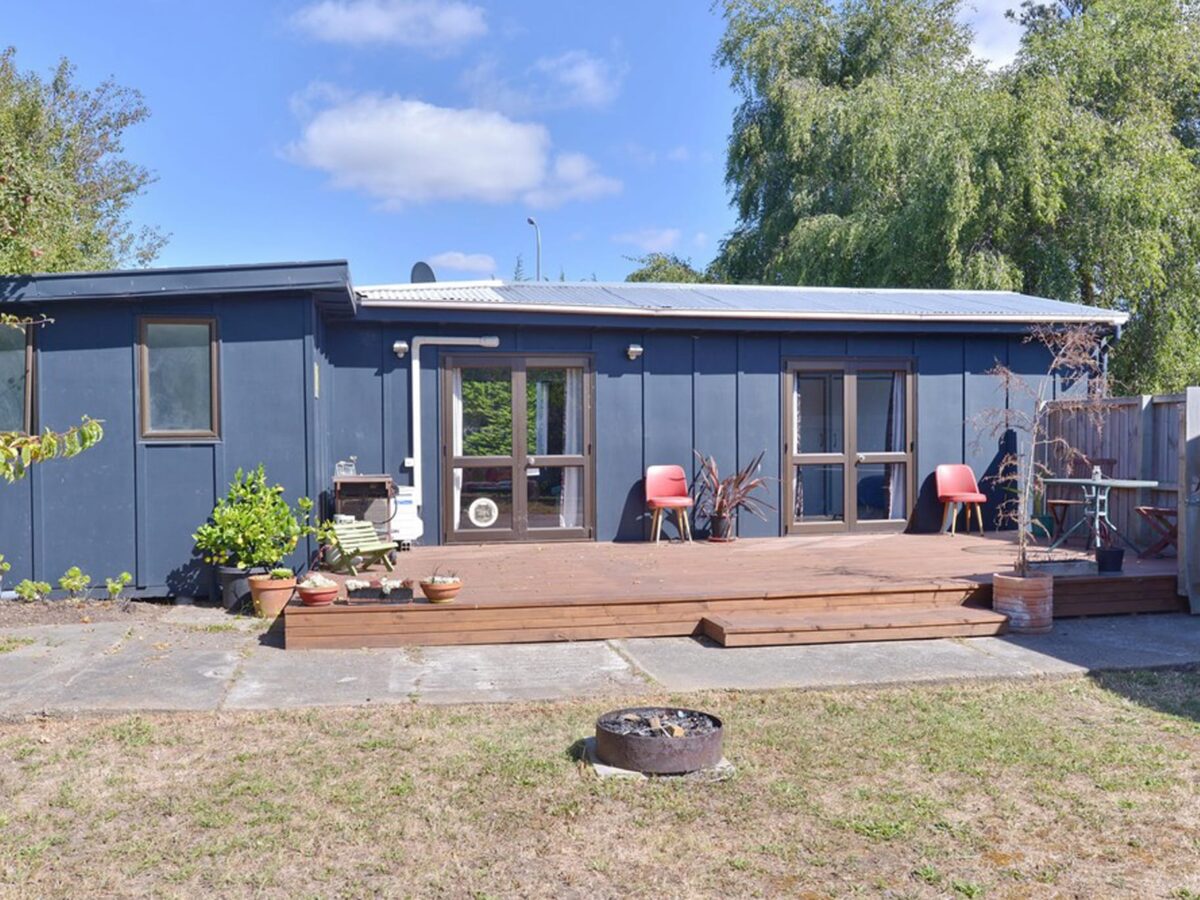
Are There Any Easements Or Underground Services?
Many homeowners are unaware that easements or underground services can affect where an extension can be built.
Potential constraints may include:
- Sewer lines
- Stormwater infrastructure
- Water supply services
- Drainage easements
- Shared access arrangements
- Right-of-way areas
These don’t always prevent an extension, but they can influence the design, location, and cost of the project.
Will The Existing House Allow For An Extension?
The design and construction of the existing home can also impact what is achievable.
Factors that may need consideration include; Existing foundations, roof design and structure, load-bearing walls, floor levels, the condition of the building, previous alterations or additions.
As experienced renovation and extension specialists, Gareth Davis Builders understands how older homes are constructed and how new additions can be successfully integrated with existing buildings. Assessing these factors early can help avoid unexpected costs and design compromises later in the project.
What Type Of Extension Are You Considering?
Home extensions come in many forms, and the best solution depends on your goals, site, and budget.
Some of the most common extension projects include:
Additional Bedrooms
Growing families often need extra bedrooms without wanting to leave their current location.
Larger Living Areas
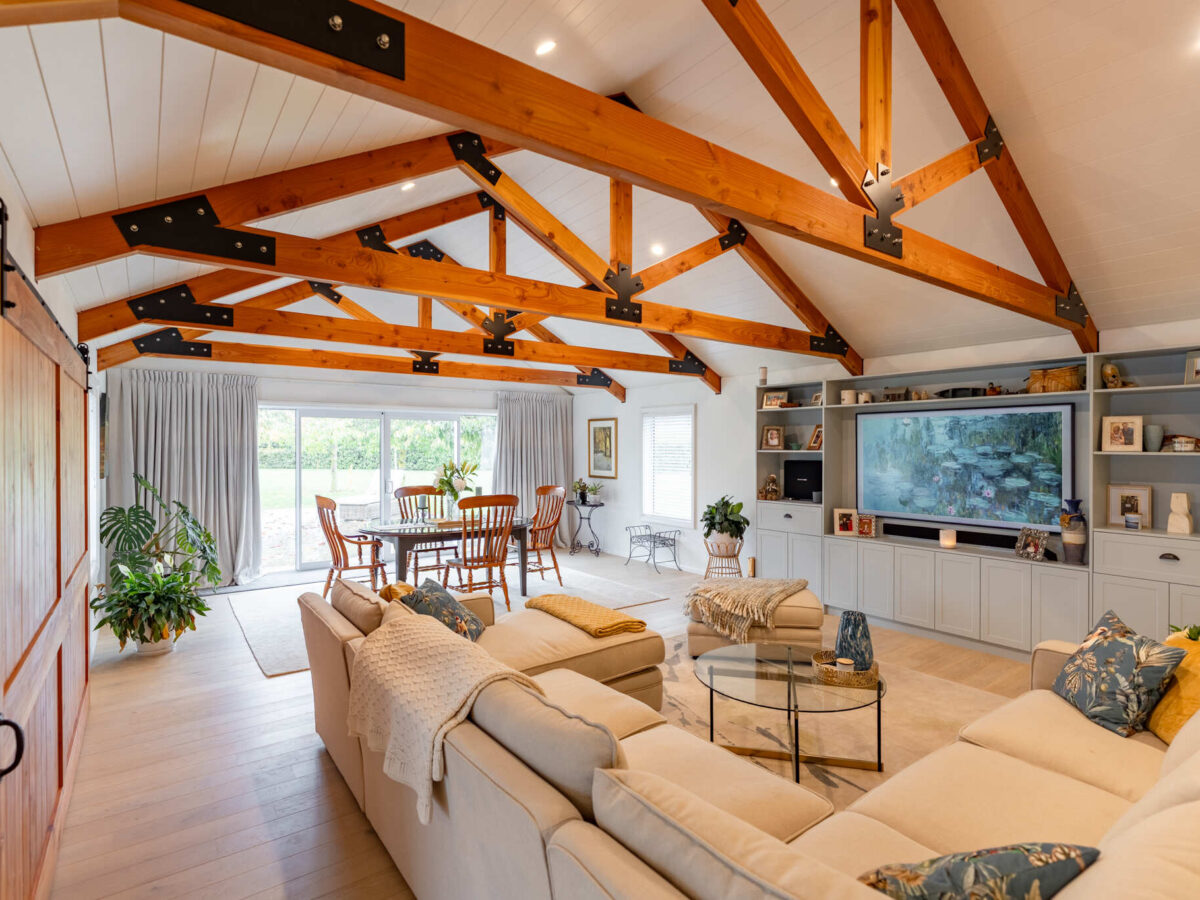
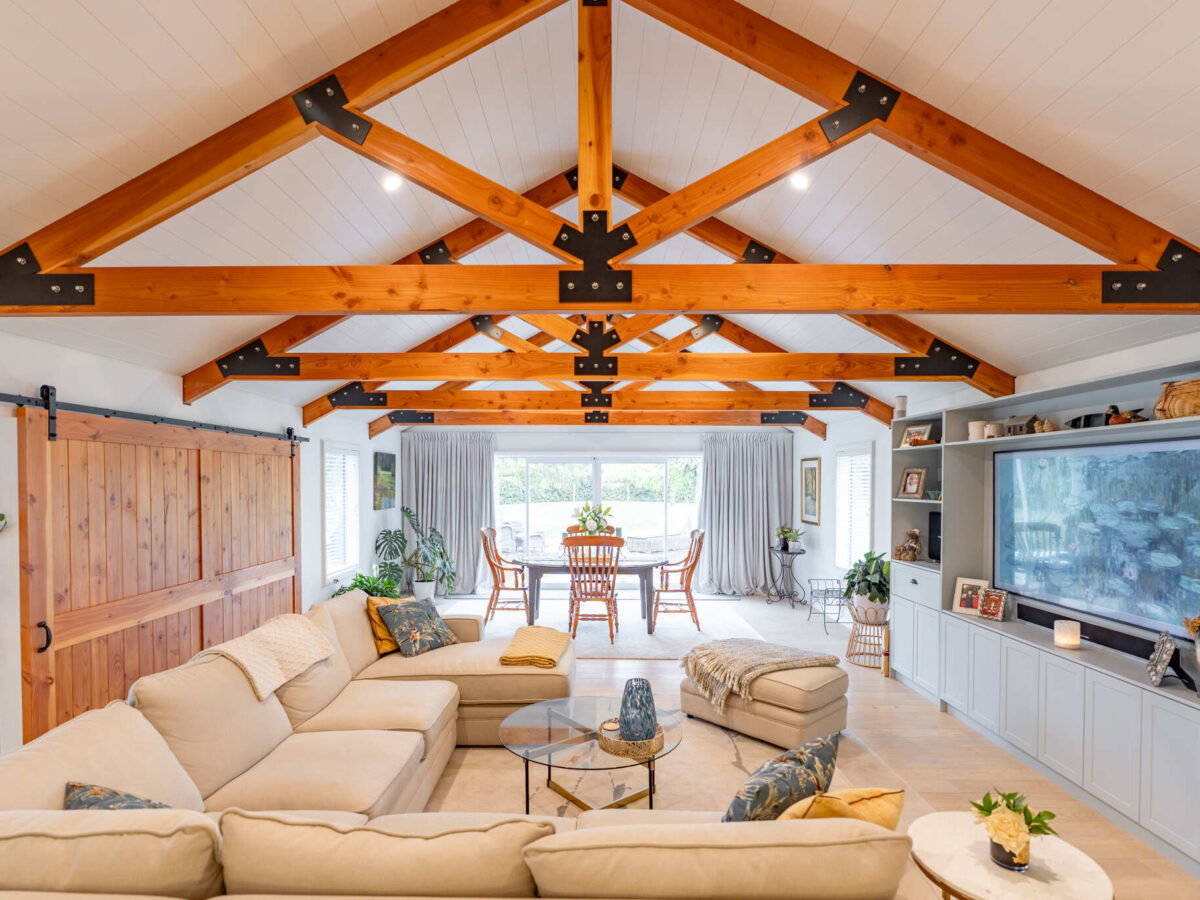
Many older homes have smaller living spaces that don’t suit modern family life. Extending living areas can dramatically improve functionality and comfort.
Open-Plan Kitchen And Dining Extensions
Creating larger open-plan spaces remains one of the most popular extension projects for Christchurch and North Canterbury homeowners.
Master Suite Additions
Adding a master bedroom with ensuite and walk-in wardrobe can improve both lifestyle and property value.
Home Offices
With more people working from home, dedicated office spaces have become increasingly popular.
Multi-Generational Living
An extension may provide accommodation for elderly parents, adult children, or extended family members while maintaining privacy and independence.
How Much Does A Home Extension Cost?
The cost of a home extension can vary significantly depending on its size, complexity, specification, and the condition of the existing home. Factors that influence extension costs include:
- Size of the addition
- Structural work required
- Foundations
- Roofing
- Plumbing and electrical work
- Interior finishes
- Site access
For a more detailed look at renovation costs, read our guide on How Much Does a Home Renovation Cost in Christchurch?
Do You Need Building Consent?
In most cases, yes. Because extensions typically involve structural building work, building consent is generally required.
Depending on the scope of work, additional approvals may also be necessary.
Along with our trusted design and planning partners, as experienced builder, we can help guide you through the process and identify requirements early.
Why A Feasibility Assessment Is Important
One of the most valuable steps you can take before embarking on an extension project is having a feasibility assessment completed.
A feasibility assessment can help identify:
- Planning constraints
- Site limitations
- Service conflicts
- Access challenges
- Potential design opportunities
- Indicative project costs
This allows you to make informed decisions before committing significant time and money to detailed design work.
At Gareth Davis Builders, we regularly work with homeowners throughout Christchurch and North Canterbury to help determine whether an extension is likely to be achievable and practical before moving into the design and pricing stages. Where required, we work alongside our trusted design and planning partners to assess the property, identify any potential constraints, and explore the most suitable options for the site.
While there can be a small upfront cost associated with feasibility work, it is often money well spent. Identifying planning restrictions, site challenges, or design limitations early can help avoid costly redesigns, delays, or unexpected issues later in the process, ultimately saving both time and money as the project progresses.
Thinking about a home extension in Christchurch or North Canterbury?
At Gareth Davis Builders, we specialise in renovations and extensions throughout Christchurch, Rangiora, Kaiapoi, Woodend, Pegasus, Amberley, and the wider North Canterbury region. We work closely with homeowners and our trusted design and planning partners to assess opportunities, identify potential constraints, and guide projects from concept through to completion.
If you’re considering extending your home and would like to discuss your ideas, get in touch with our team for an initial conversation about your property and goals.
Frequently Asked
Questions About Home Extensions
Can I extend my house to the boundary?
It depends on the planning rules that apply to your property. Boundary setbacks and other requirements often influence how close an extension can be built to a property boundary.
Is it cheaper to extend or move?
Every situation is different. While extensions can involve significant investment, moving also comes with costs such as real estate commissions, legal fees, moving expenses, and potentially higher mortgage repayments. For many homeowners, extending can be a more cost-effective option.
Read our article on Should I Renovate Or Move for more information on this.
Can I live in my house during an extension?
In many cases, yes. However, this depends on the size and complexity of the project, and your appetite to live on a building site. Larger renovations and extensions can sometimes require temporary relocation during certain stages of construction.
Do I Need Plans Drawn Before Contacting You?
No. In fact, many homeowners contact us before any plans have been prepared.
We can help with design ideas and connect you with our trusted designers to bring your ideas to life.
Do you offer fixed-price contracts?
Yes, we typically work with fixed-price contracts to give you certainty and peace of mind around the overall cost of your project. However, with renovation and extension work, there can be unforeseen elements that only become clear once the job is underway. In these cases, we’ll discuss any required variations with you, and it’s wise to have a contingency budget in place to cover unexpected work if needed.