If you’re thinking about renovating your home, one of the first questions is always – “How much is this actually going to cost?”
The honest answer is it depends. But that’s not very helpful when you’re trying to plan properly.
In this guide, we’ll walk you through realistic renovation cost ranges in Christchurch and North Canterbury for 2026, what drives those costs, and how to avoid the common budget traps we see time and time again.
If you’re already exploring options, you can head over to our renovation services to find out more.
Typical Renovation Costs in Christchurch & North Canterbury in 2026
For a full home renovation, most projects we see fall within:
- $3,000 – $4,000+ per m² for mid to high-spec renovations – Or roughly:
- $100,000 – $300,000+ for partial renovations
- $300,000 – $700,000+ for full home renovations
These are realistic ranges for quality workmanship, experienced trades, and a well-managed project.
If you’re seeing significantly cheaper estimates, it’s worth understanding what may be missing, whether that’s scope, allowances, or project management.
What Actually Drives the Cost?
Not all renovations are created equal. Two homes of the same size can have very different price tags depending on what’s involved.
1. Structural vs Cosmetic Work
- Cosmetic upgrades (paint, flooring, fittings) sit at the lower end
- Structural changes (removing or adding walls, reconfiguring layouts, extensions) increase cost significantly
This is where key considerations around scope come in, especially in older homes where layout changes make a big difference to how the home functions.
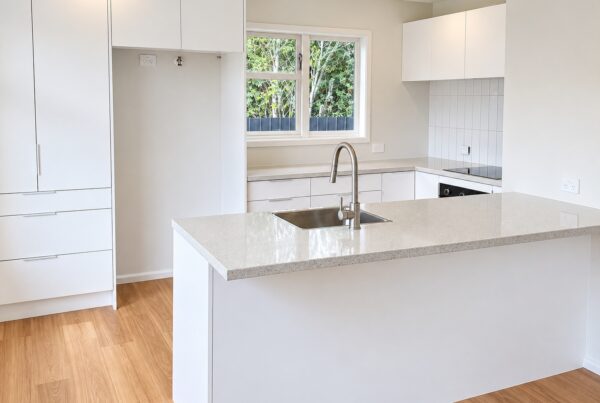
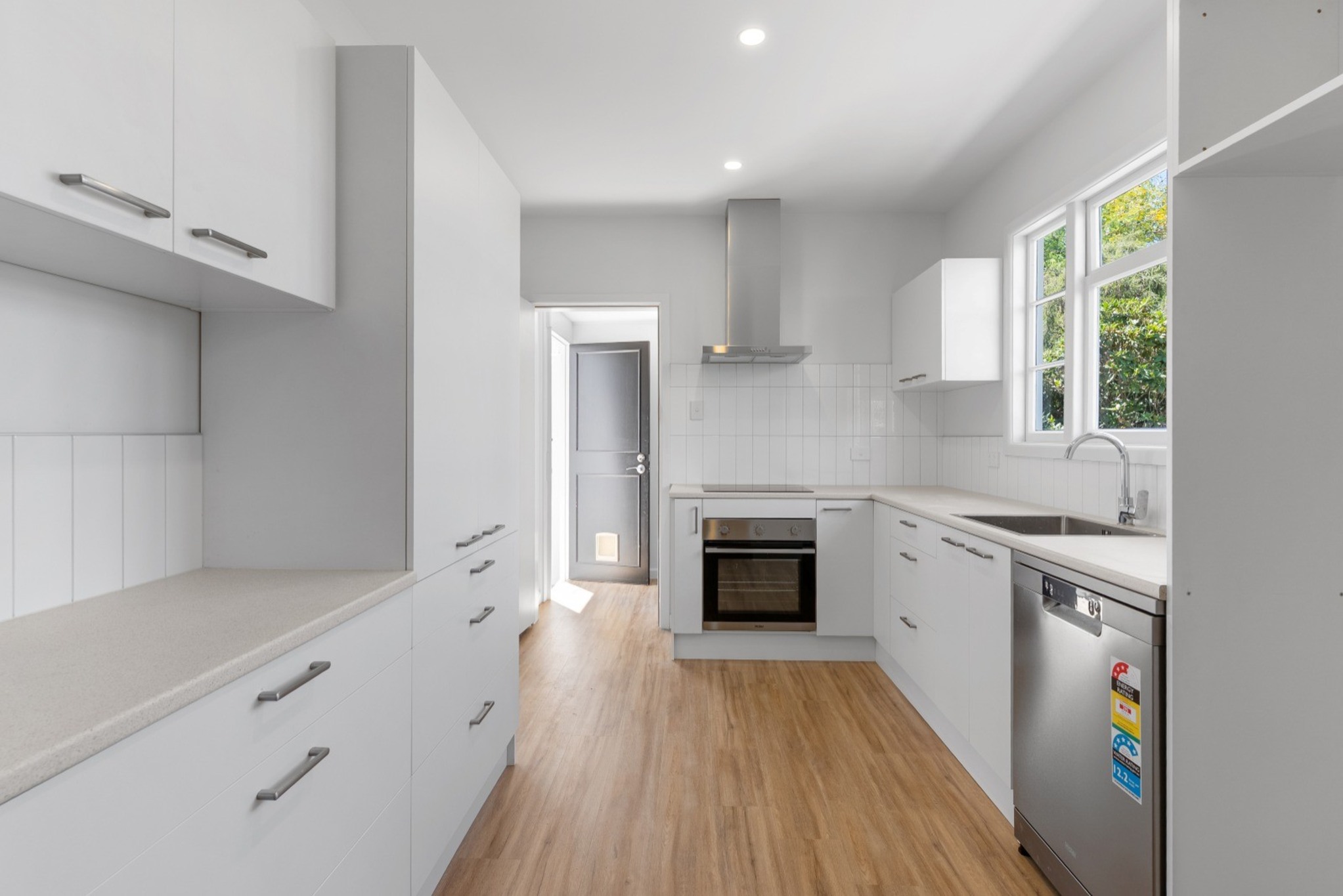
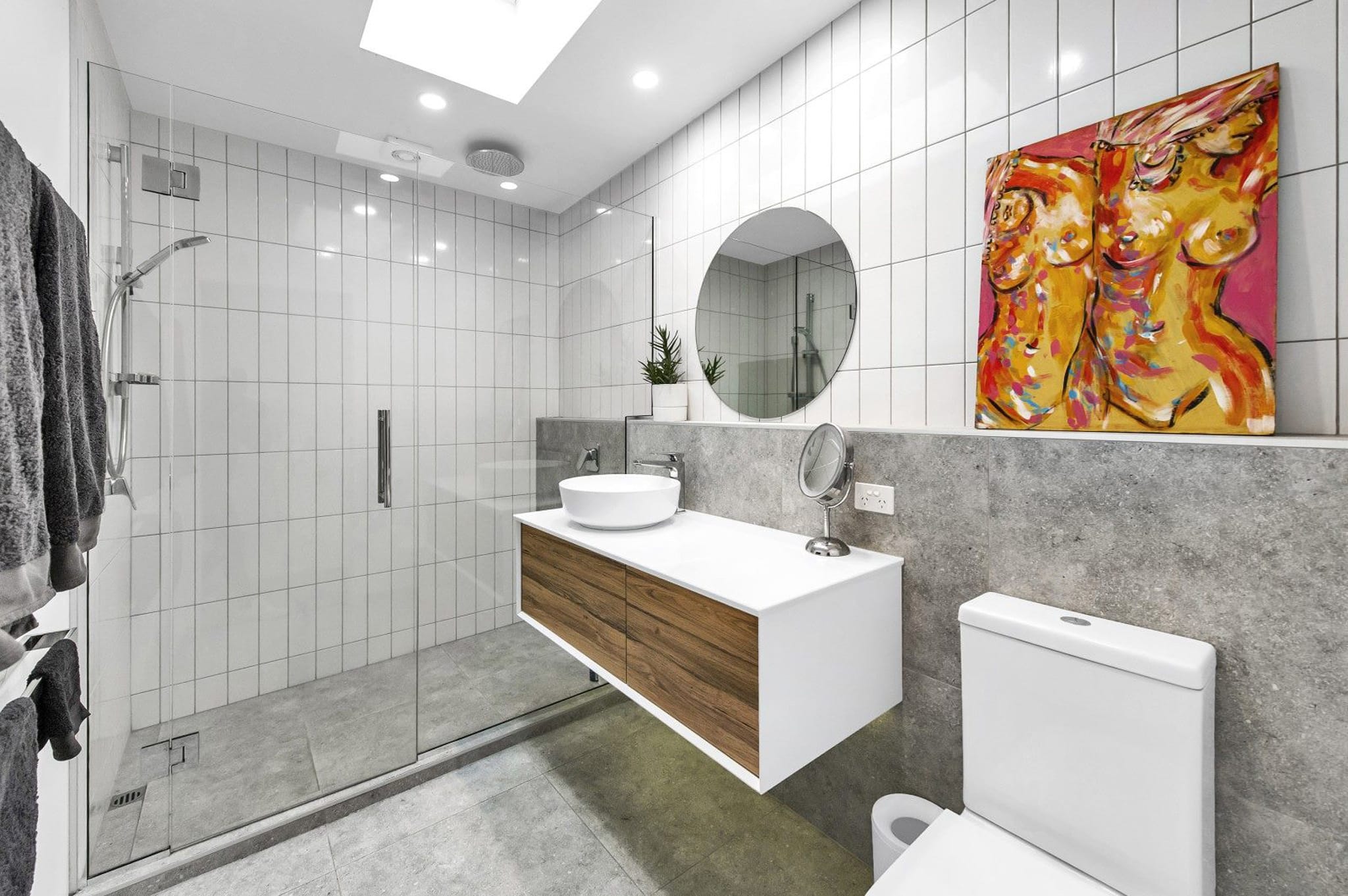
2. Kitchens and Bathrooms
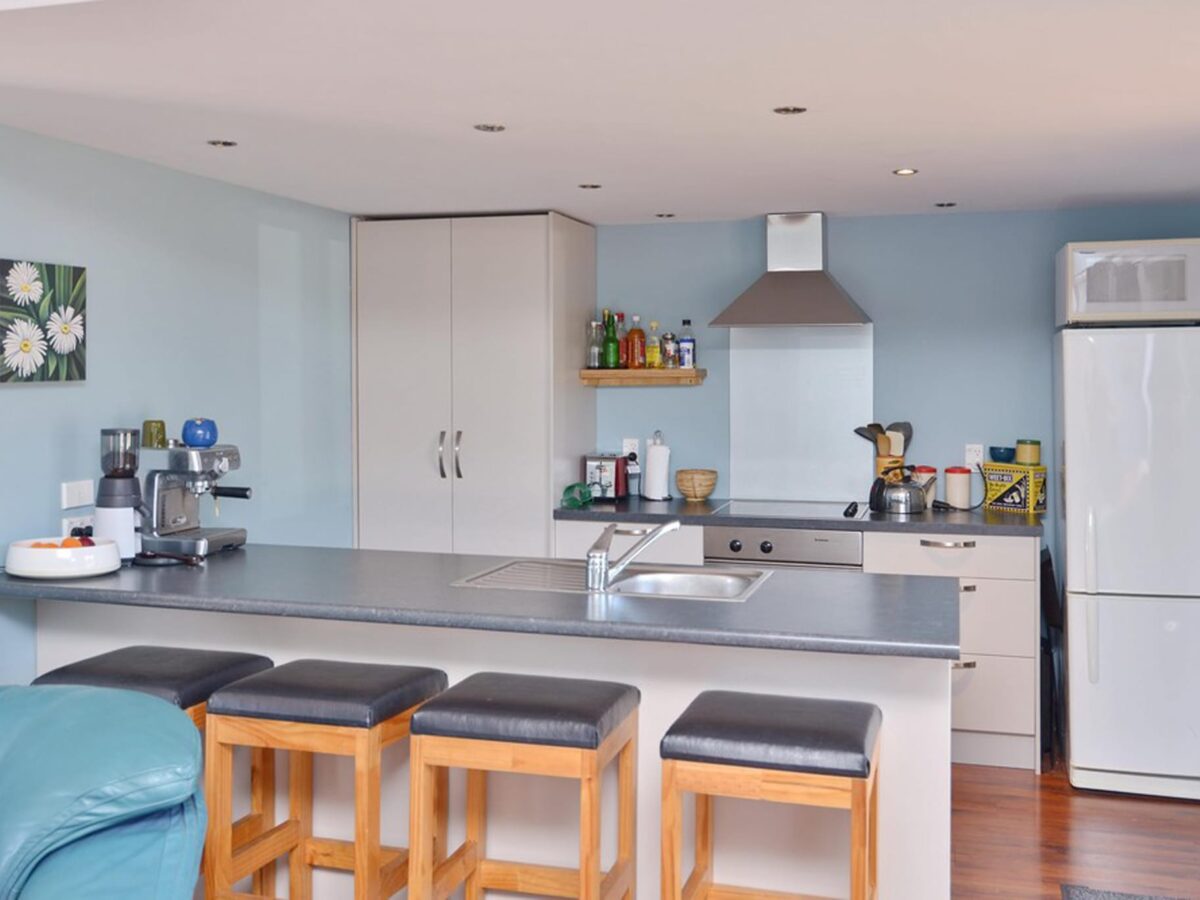
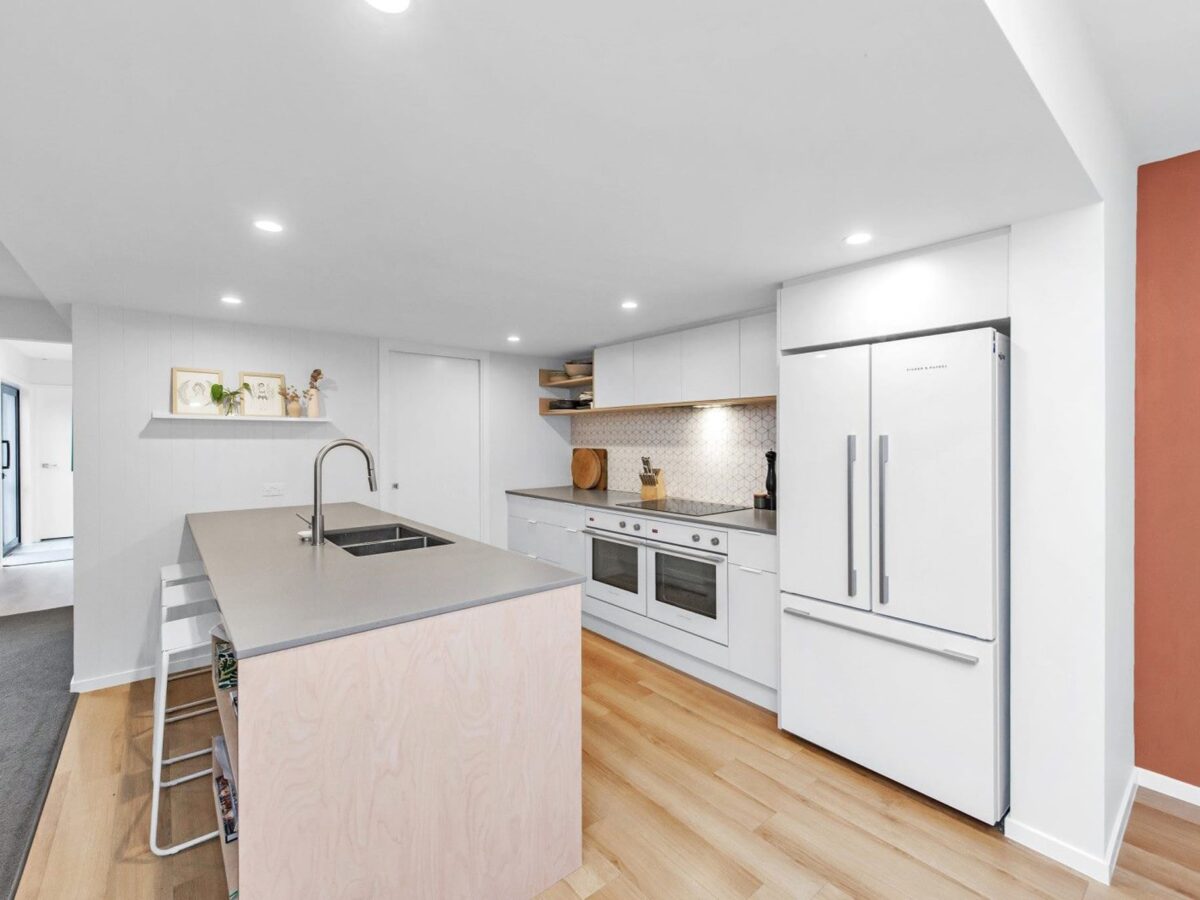
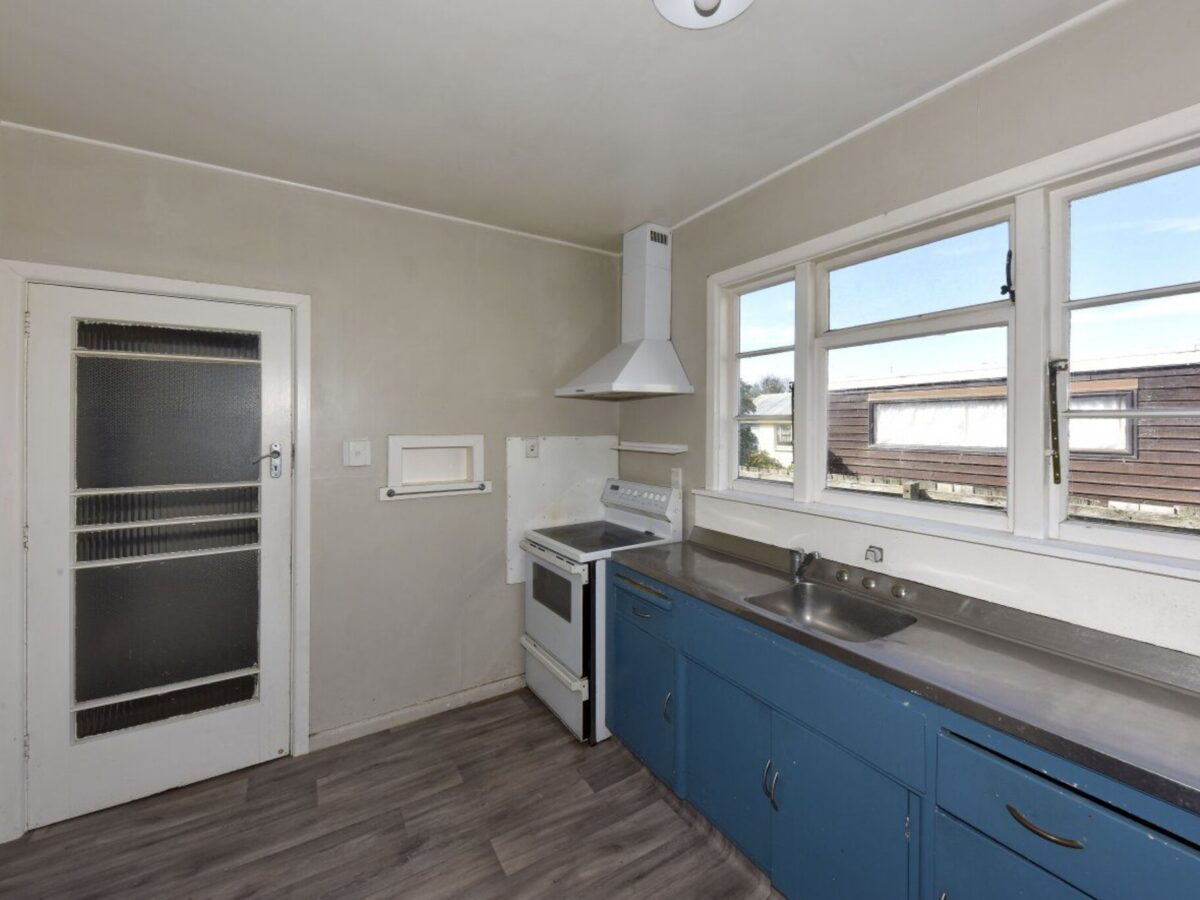
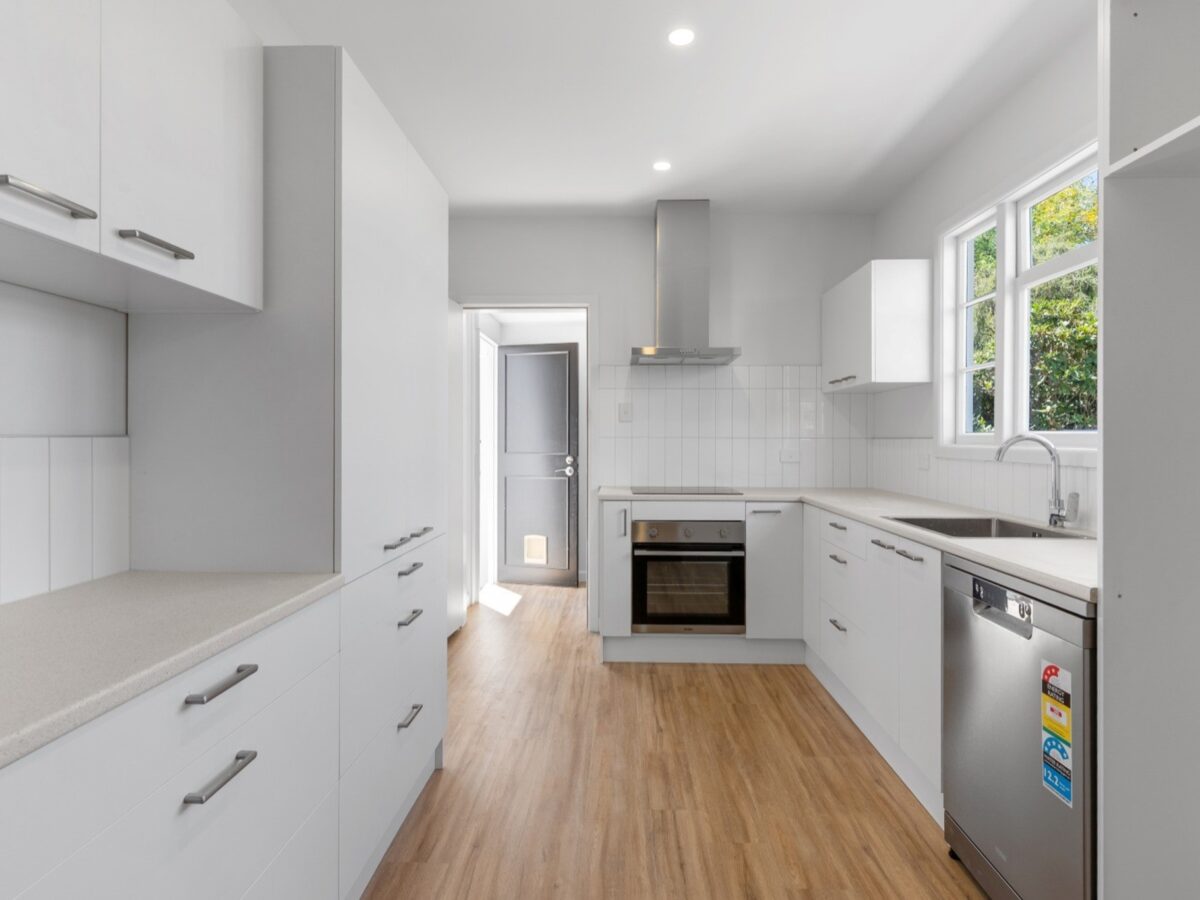
Kitchens and bathrooms are big ticket items and often make up a large portion of the budget.
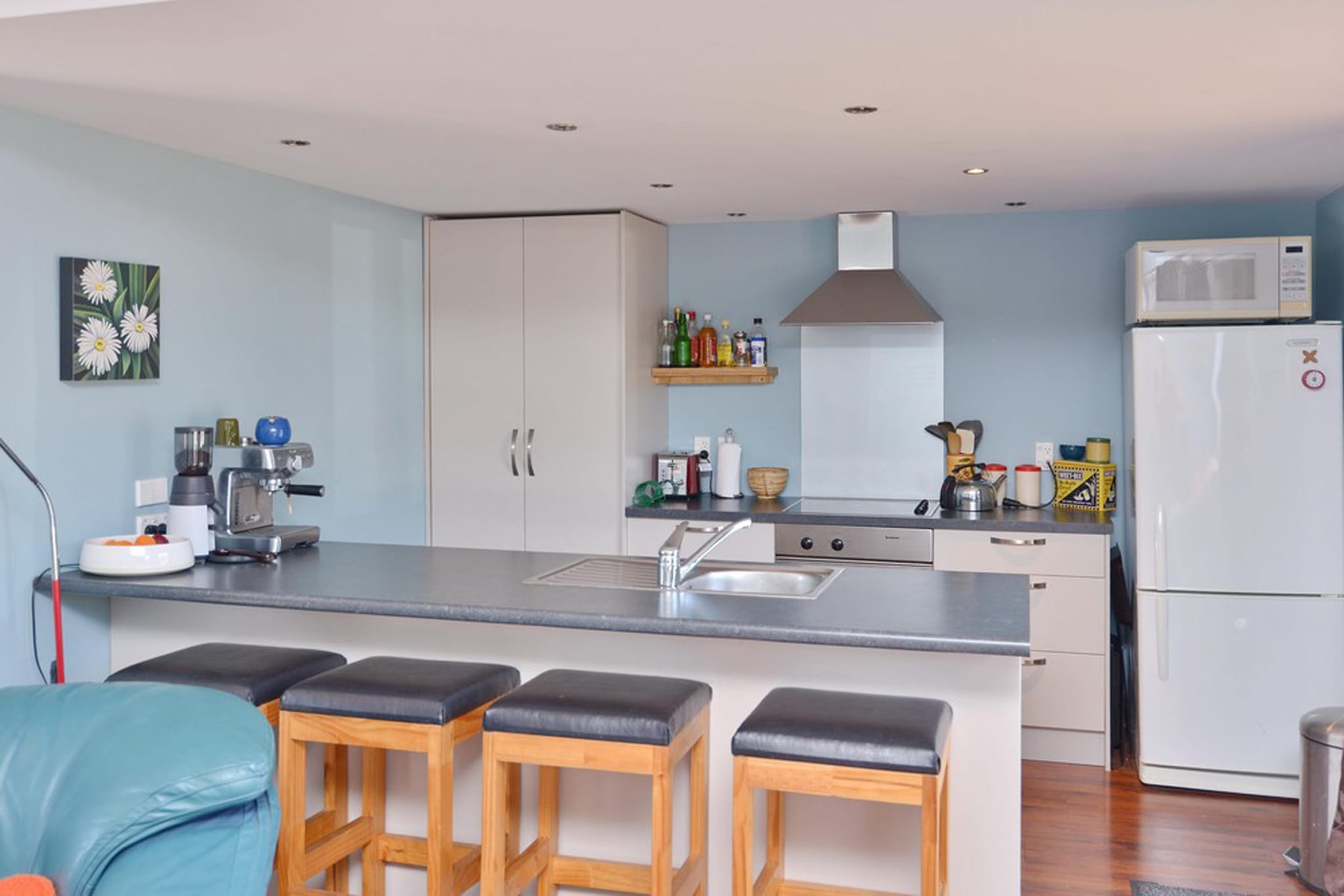
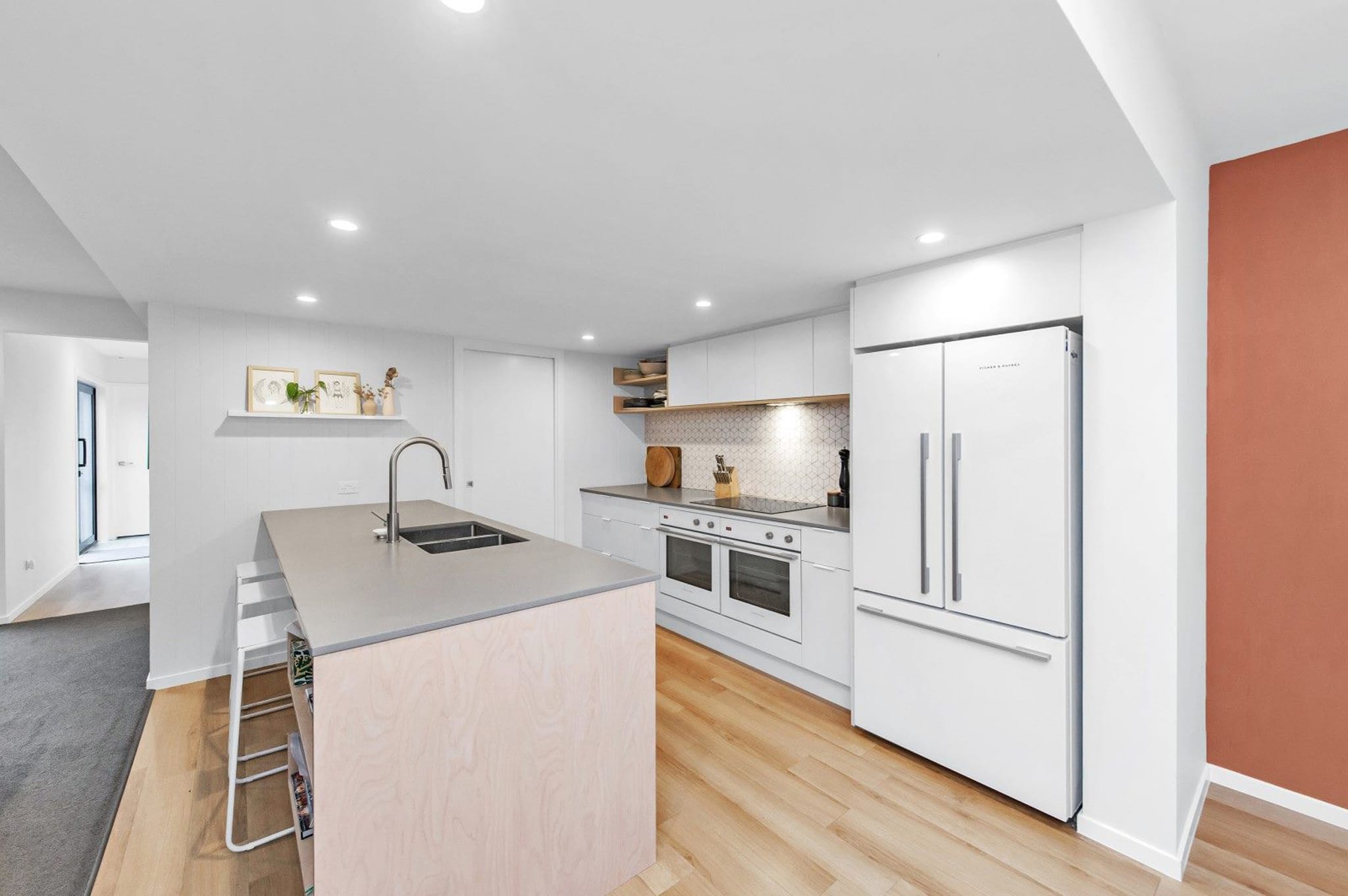
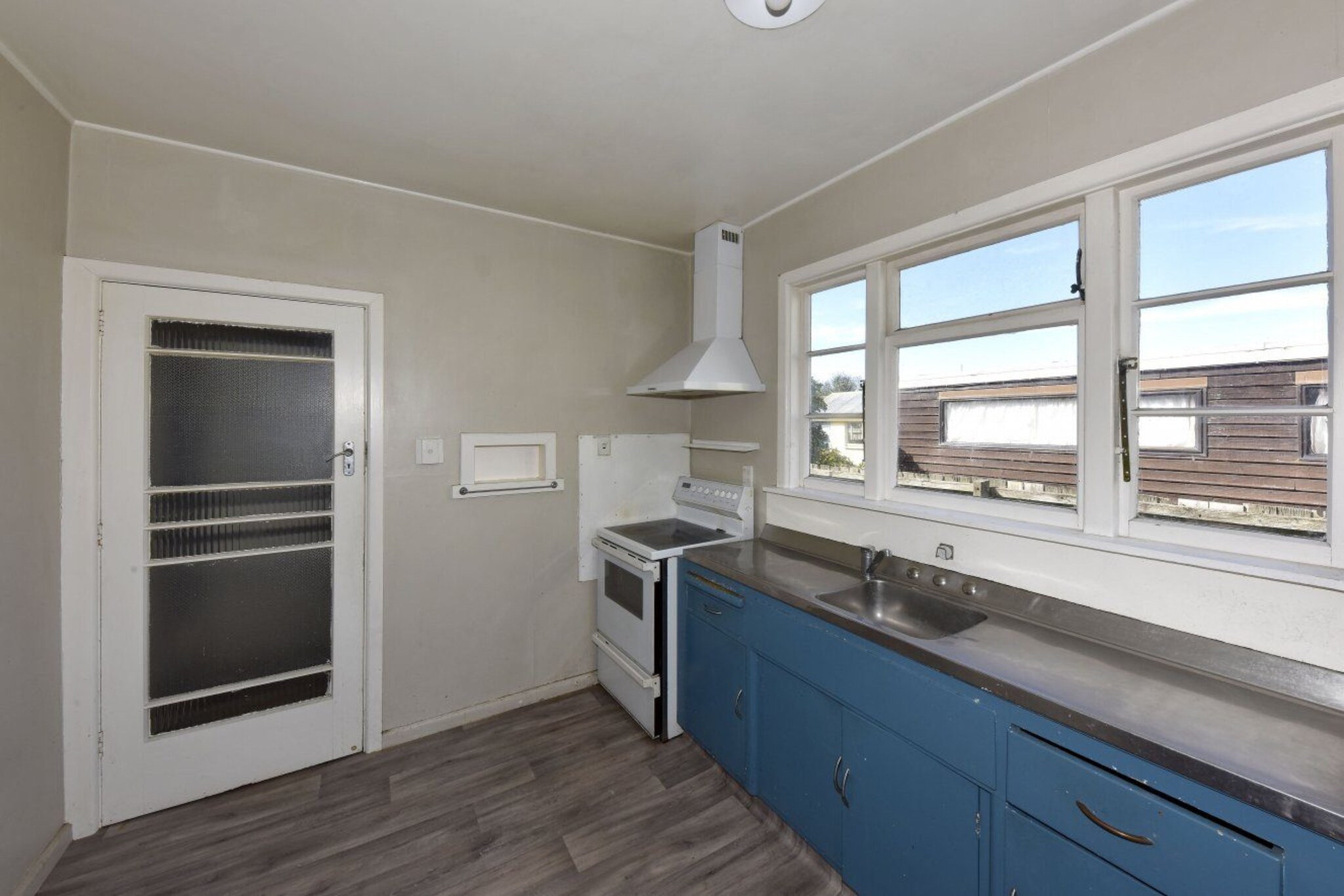
- Kitchens: $25,000 – $60,000+ depending on size and spec and whether layout or structural changes are needed
- Bathrooms: $20,000 – $40,000+ each depending on spec – such as acrylic shower vs fully tiled bathroom
These spaces involve multiple trades, detailed finishes, and a lot of project coordination, which is why they carry a lot of cost.
3. Reconfiguration and Layout Changes
This is where the biggest transformations occur – but also where the most variables in cost occur.
Things like:
- Adding or removing walls
- Opening up living spaces
- Moving kitchens or bathrooms
- Adding an extension
This type of structural work, or relocating plumbing often requires engaging a designer and applying for building consent which adds to the cost. But these improvements also tend to deliver the the biggest value in terms of functionality and lifestyle improvement, as well as adding the most value to your property.
4. The Unknowns
Unlike a new build, a renovation project comes with unknowns. Once we open up walls, floors or ceilings sometimes we uncover things such as damaged or rotten framing, outdated wiring or plumbing, and insulation issues, just to name a few.
When planning to a renovation we always suggest having a contingency budget of around 15% to cover anything that arises during the project.
Where Renovation Budgets Go Wrong
1. Underestimating “Hidden Work”
Clients often budget for the visible changes, but forget about the things you don’t see when the project is complete.
As an example, a kitchen renovation needs to factor in many things outside of the new kitchen joinery itself, such as:
- Removal of the old appliances
- Removal of the kitchen joinery
- New walls if layout dicatates
- Remediation or replacement of the wall linings where the joinery was removed
- Plastering of remediated or new linings
- Painting
- Remediation or replacement of the flooring, especially if your kitchen has a new layout
- Plumbing costs – moving plumbing if your kitchen has a new layout, installing new fixtures
- Electrical costs – running new wiring for new kitchen layout, new power outlets, wiring in the new appliances, new lighting
2. Unrealistic Allowances
Some quotes include very low allowances or provisional sums for things like kitchens, bathrooms, or finishes.
This can make a quote look competitive, but costs quickly increase once real selections are made.
3. Comparing Quotes that Aren’t Equal
Not all quotes include the same level of detail, scope, or quality. We often encourage clients to compare quotes carefully, not just on price, but on:
- Level of detail and accuracy
- Quality of materials and subcontractors
- Allowances included (or excluded)
- Experience and approach of the builder
In many cases, lower quotes can reflect missing scope, underestimated allowances, or reduced project management which can lead to variations and higher costs during construction.
How to Plan Your Renovation Budget Properly
If you’re serious about renovating, here’s what we recommend:
1. Start with realistic cost expectations
Understanding true and accurate costs early helps avoid frustrations throughout the project.
2. Prioritise the big-impact areas
Focus on things that will have the biggest impact on the way you live in your home. Things like:
- Layout and flow
- Kitchen and living spaces
- Bathrooms
- Improving warmth
3. Allow a contingency for the unknowns
As mentioned above, we recommend a contingency budget of around 15% of the project price to cover anything the crops up when linings are removed.
4. Work with an experienced renovation builder
This is the number one factor for a successful renovation project.
Renovations are very different to new builds. They require a high degree of forward thinking, coordination, and skill, and if you don’t have the right team on board from the start it can make a significant difference to both the cost and overall outcome.
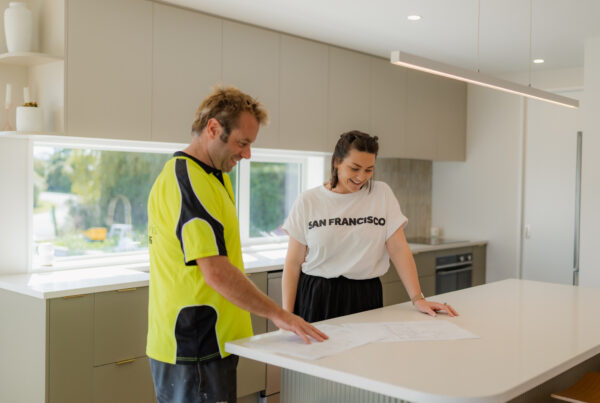
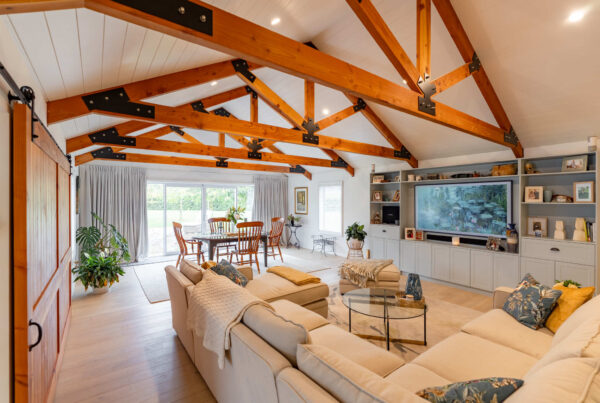
You can view examples of our recent renovation work in our project portfolio.
Thinking About Renovating?
Every home and every project is different.
If you’re considering a renovation and want clear, realistic advice around cost and feasibility, we’re happy to have a chat.
We can walk through your ideas, give you a rough cost indication, and help you understand what’s involved, so you can move forward with confidence.