Understanding the 70m² Granny Flat Exemption in Christchurch and Canterbury
As of 15 January 2026, new rules under the Building Act allow certain small standalone dwellings, commonly known as granny flats, to be built without applying for building consent. This 70m² granny flat building consent exemption applies nationwide, including Christchurch, Waimakariri and Hurunui, but local planning rules still need to be considered.
If you are thinking about building a granny flat in Christchurch or elsewhere in New Zealand, you are likely asking:
- Do I still need council approval?
- What are the current granny flat rules in NZ?
- Does the 70m² building consent exemption apply to my property?
- Is building under the exemption cheaper or faster?
Below, we explain how the granny flat building consent exemption works, what rules still apply, and what homeowners need to know before getting started.
What Changed Under the New Granny Flat Exemption?
Under the updated Building Act, a new granny flat building exemption allows standalone dwellings of up to 70m² to be built without applying for building consent, provided strict criteria are met.
To qualify as a consent exempt granny flat in NZ, the dwelling must:
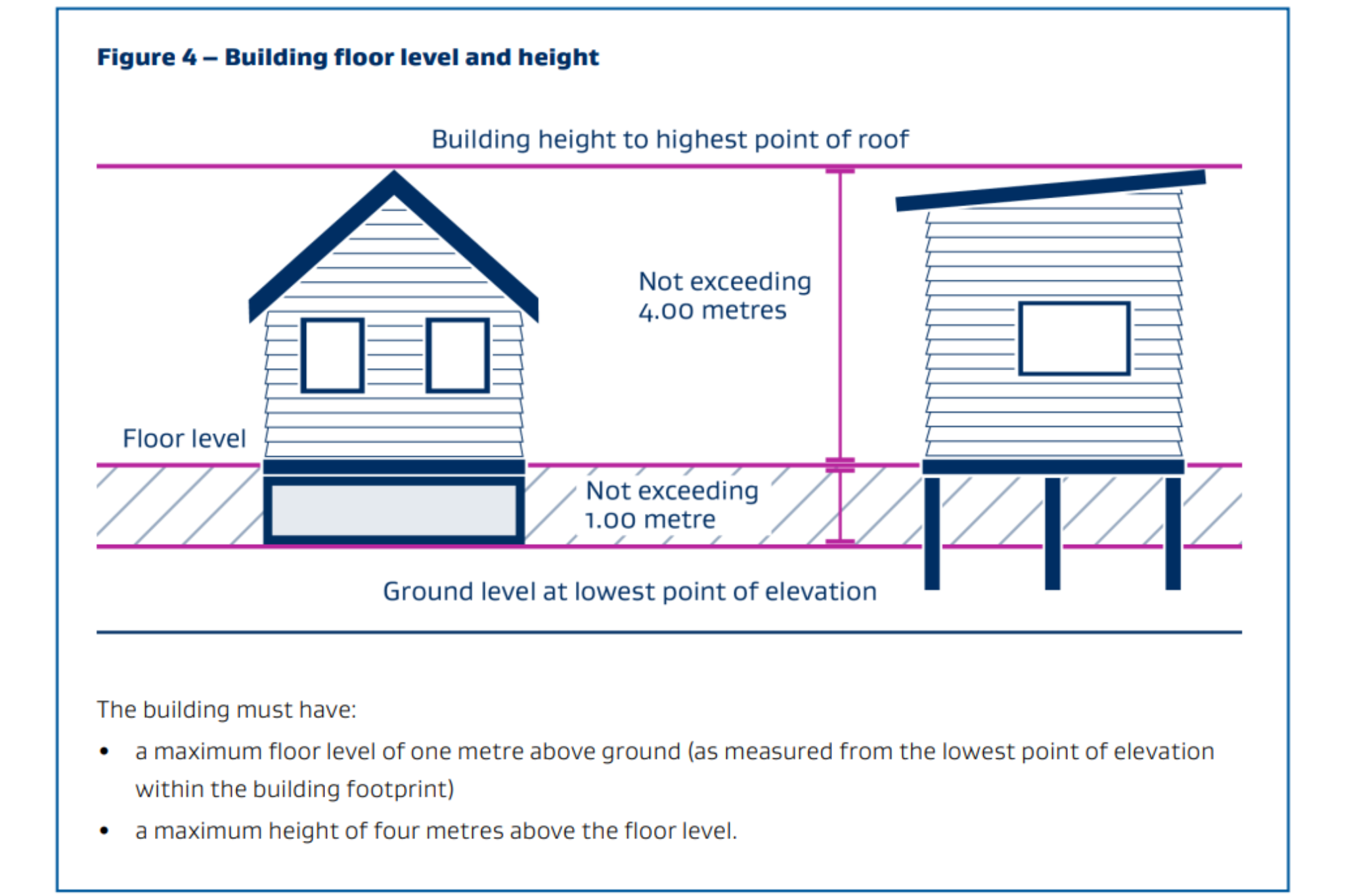
- Be a new, standalone, single storey building (it cannot be an addition, alteration or conversion of an existing structure)
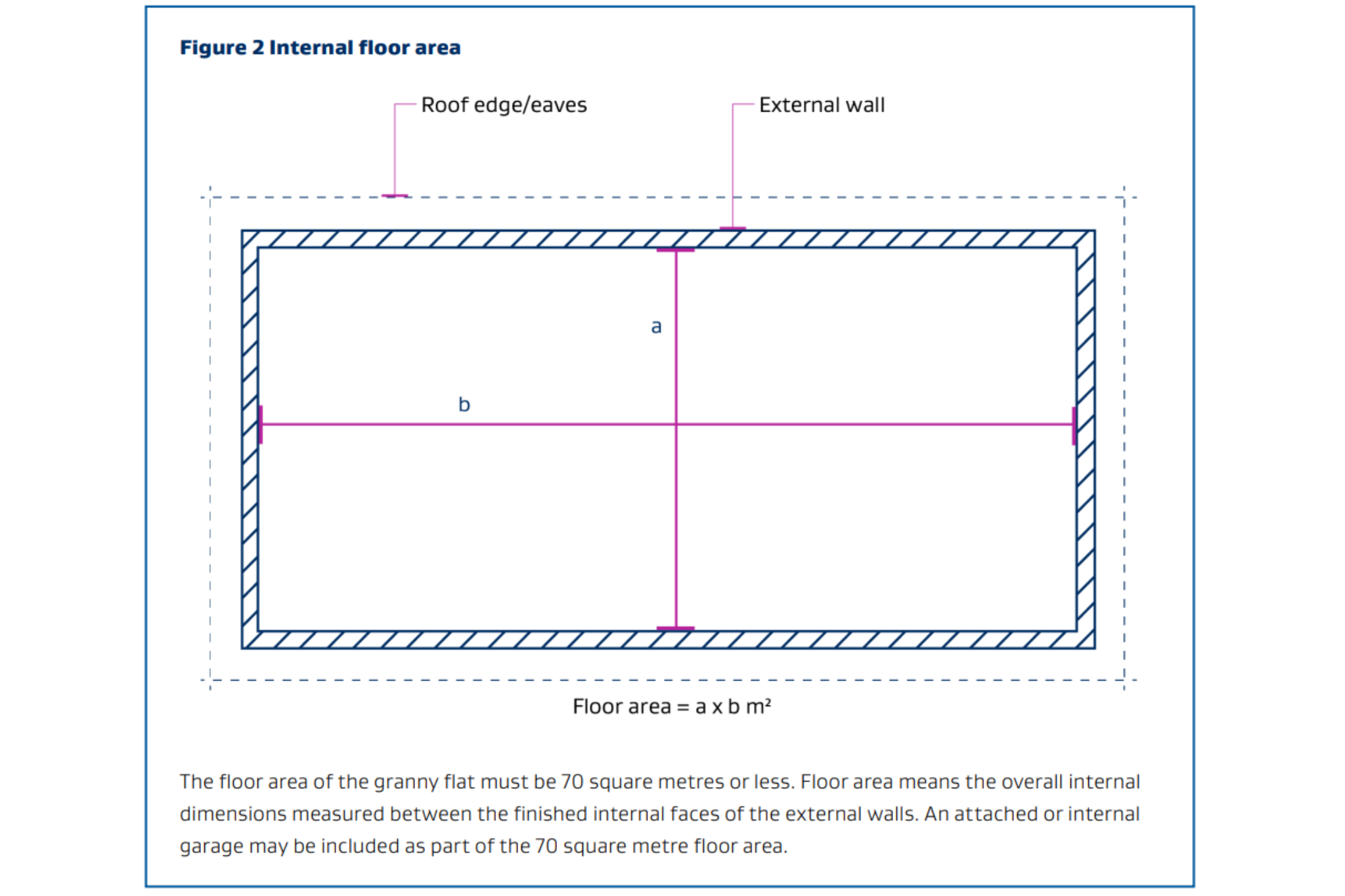
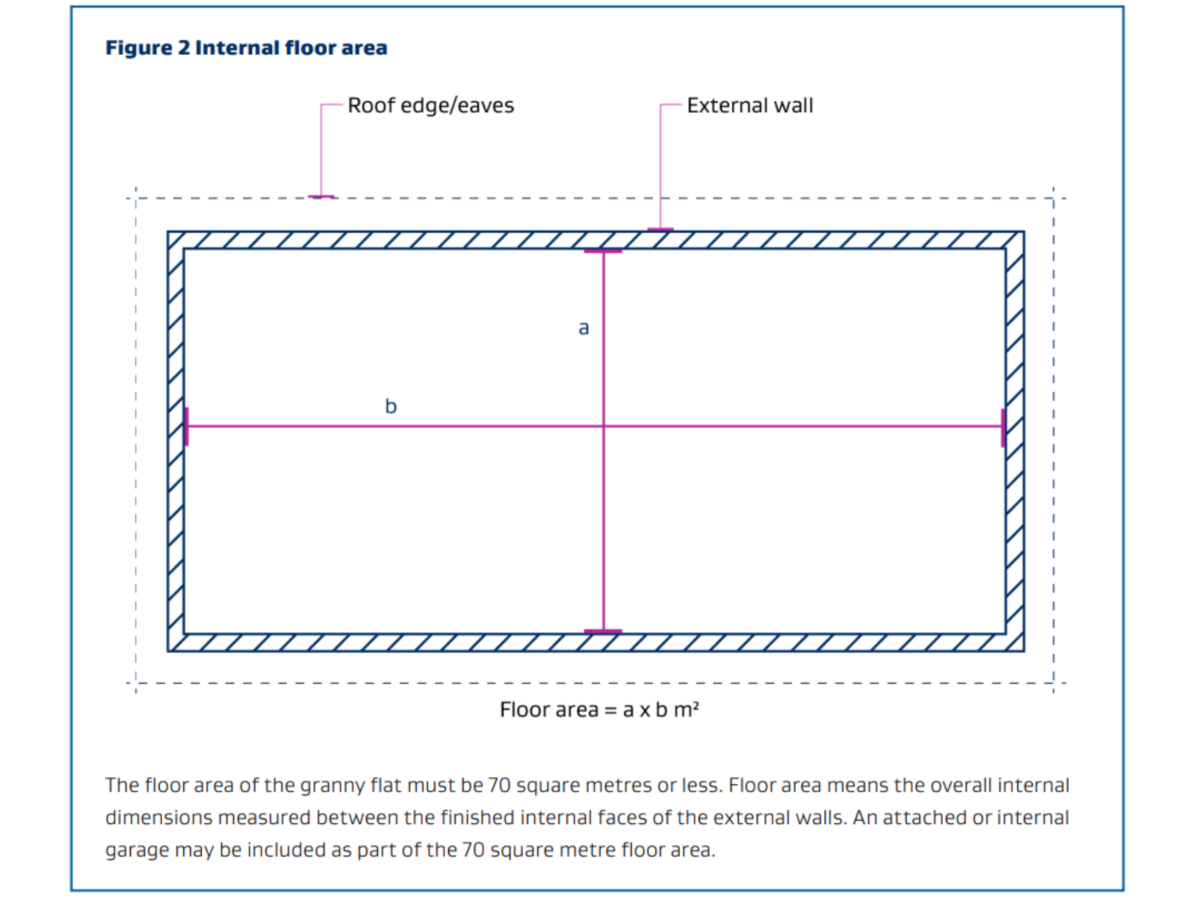
- Have a maximum internal floor area of 70m²
- Use simple construction methods and approved lightweight materials
- Be designed and built by, or supervised by, a Licensed Building Practitioner
- Fully comply with the New Zealand Building Code
The important thing to understand is this: the exemption removes the consent process, not the building standards.
A granny flat still needs proper design, compliant detailing and full documentation. That protects your insurance, resale value and long term investment.
For more detailed information you can read the official building consent exemption for granny flats guidance published by MBIE.
Granny Flat Rules in Christchurch, Waimakariri and Hurunui
Although building consent may not be required, other rules still apply. Planning controls under the Resource Management Act and your local District Plan can still affect what you are allowed to build.
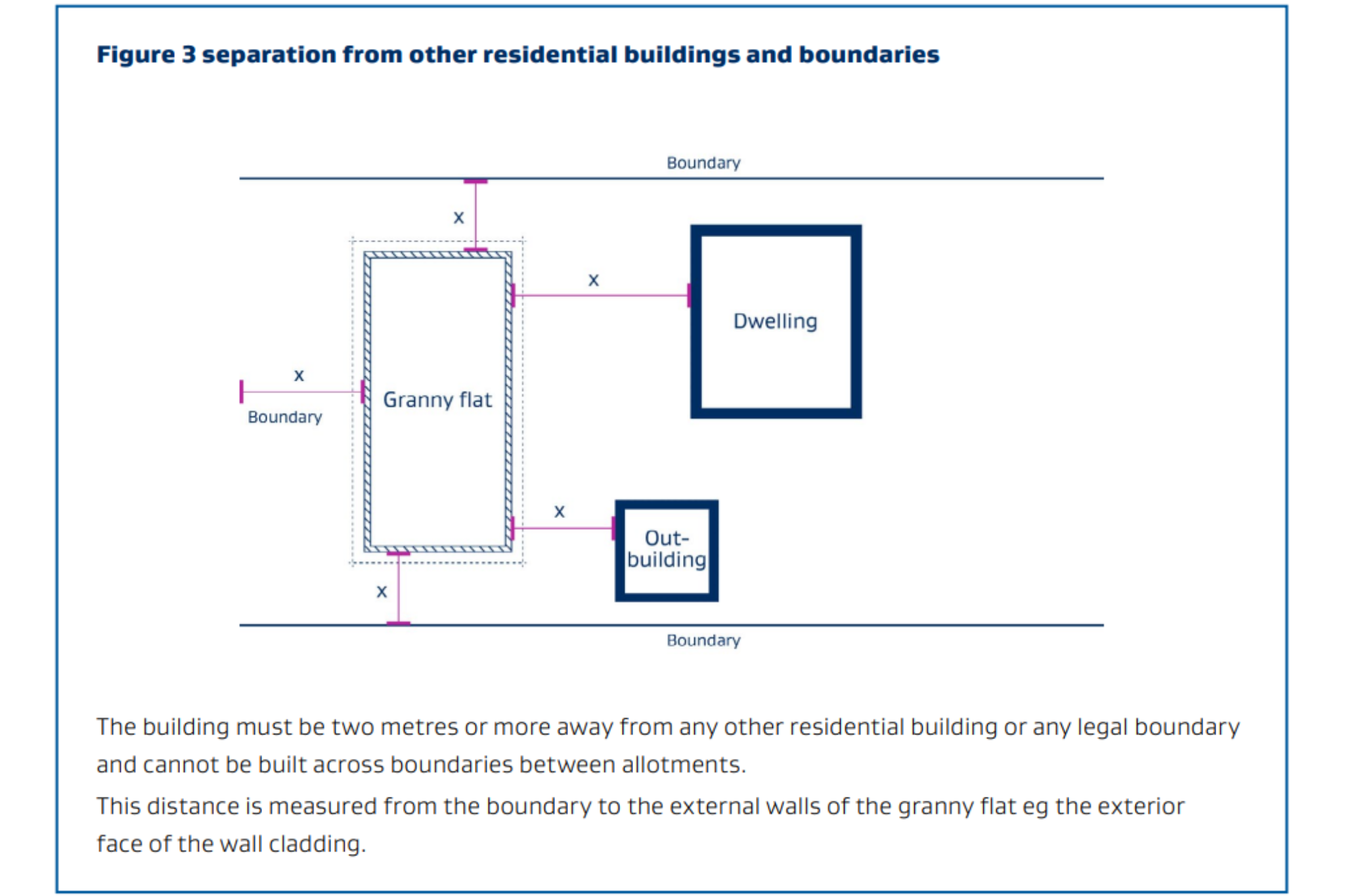
Things like zoning, height limits, recession planes, boundary setbacks, site coverage, flood or coastal hazard overlays, and heritage protections can all influence whether a granny flat is permitted on your site. These planning rules sit alongside the building consent exemption and still need to be considered.
Your designer will factor these requirements into the design from the outset to ensure the dwelling fits within the rules and does not trigger the need for resource consent.
Homeowners should review the relevant District Plan for their area, whether that is the Christchurch District Plan, Waimakariri District Council Plan or Hurunui District Council Plan , to understand how local controls apply to their site.
It is also important to check your Record of Title for any covenants, consent notices or restrictions that could affect your ability to build.
The exemption is not a free for all. It is a streamlined pathway with clearly defined boundaries.
With good design and early advice, these requirements are manageable and straightforward.
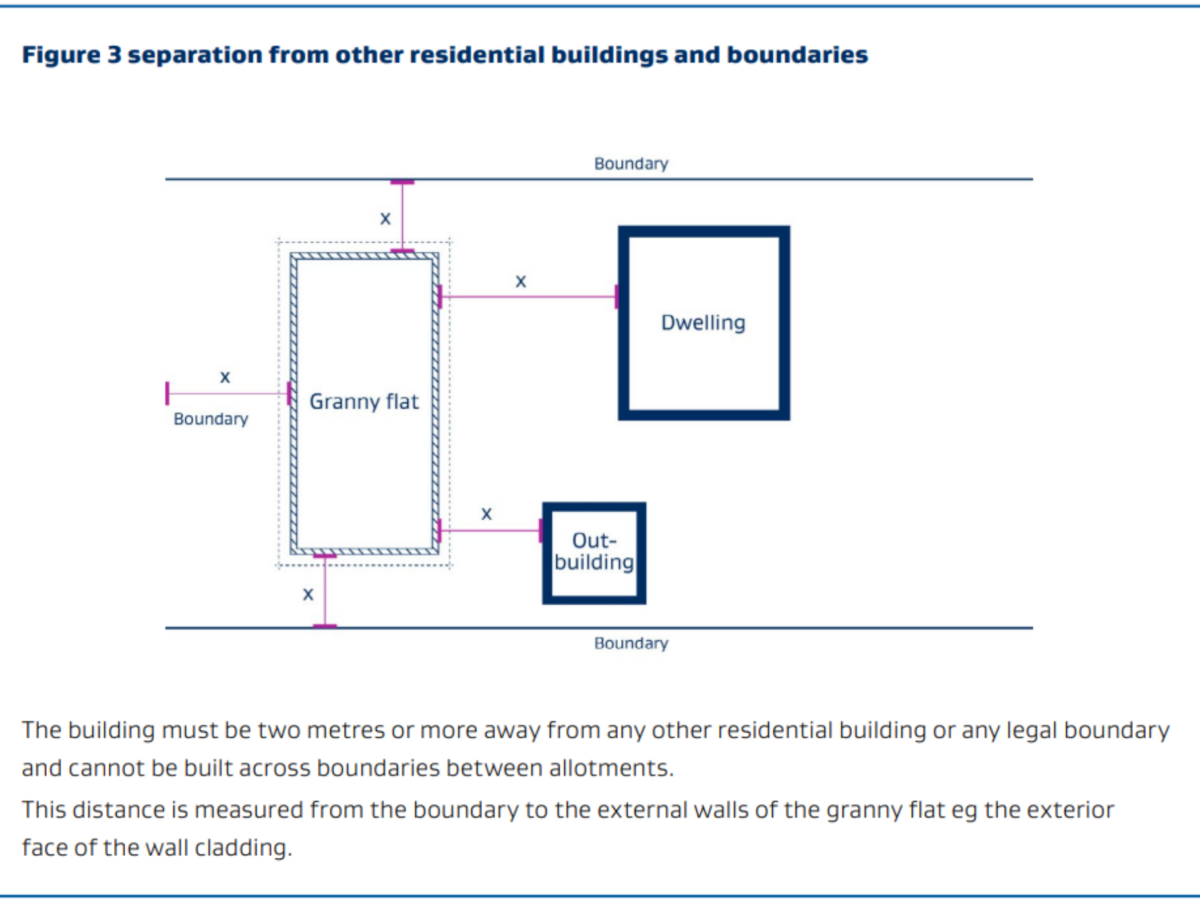
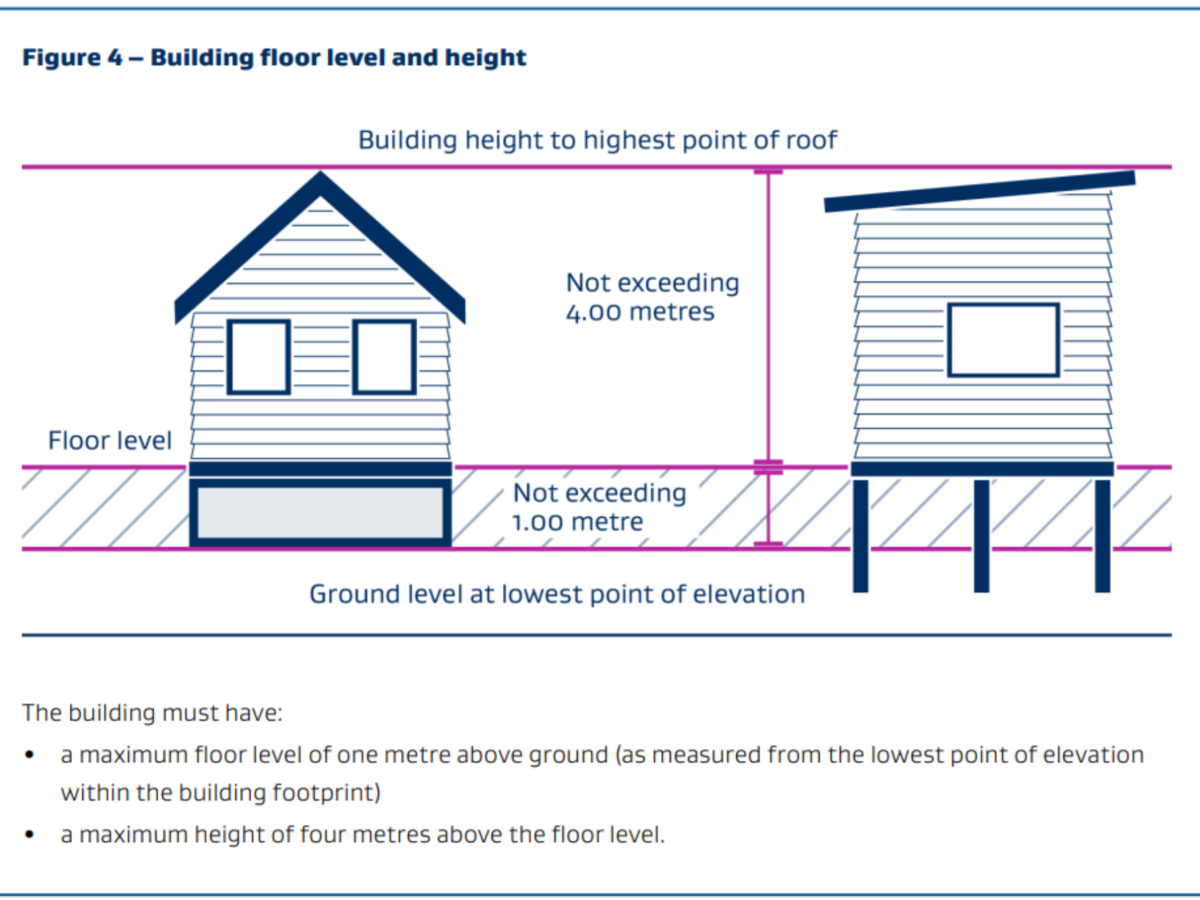
What Is Considered “Simple Construction”?
The granny flat building consent exemption is intended for low risk builds. In most cases this means:
- Standard timber or light steel framing
- Lightweight cladding systems (Roof cladding must be light, like metal tiles or long-run iron, max 20kg/m²), and wall cladding must be standard weight (max 220kg/m², like weatherboards, lightweight plaster, fibre cement board)
- Simple roof forms
- Conventional foundations
If the design becomes structurally complex, it may fall outside the exemption and require full building consent.
For most well planned minor dwellings in Christchurch, this is not an issue when designed properly and with the exemption in mind from the start.
Building Consent vs Exemption: What’s the Difference?
From a homeowner’s perspective, the difference between full building consent and the exemption comes down to council involvement and where the ultimate responsibilities lie.
Full Building Consent Process
- Detailed plans are submitted to council by LBP Designer
- Consent fees are paid and consent is issued
- Council inspections occur during construction
- A Code Compliance Certificate is issued at completion
This pathway takes longer and involves more council oversight, but you receive formal sign off.
Building Under the Granny Flat Exemption
- Homeowner applies for a Project Information Memorandum PIM before starting
- Council provides site information and indicates whether the proposal appears likely to meet exemption criteria
- Construction proceeds in full compliance with the Building Code (as per usual)
- Documentation is compiled during the build (with our support)
- Completion documentation is submitted to council by homeowner and recorded against the property
Council does not inspect the work or issue a Code Compliance Certificate under this pathway. Instead, responsibility for compliance sits with you and your building professionals.
In practice, this simply means ensuring proper plans, Records of Work and Certificates of Work are prepared and submitted. This is standard practice for us.
If you would like to see the full breakdown, MBIE has published a step-by-step guide to planning, designing, building and completing a consent-exempt granny flat.
Costs and Timeframes for a Granny Flat in Canterbury
The building consent exemption can reduce upfront time by removing consent processing, RFIs and inspection scheduling. It may also lower some council fees, however councils may still charge development contributions through the Project Information Memorandum (PIM) process. These charges fund local infrastructure such as water, wastewater, stormwater, transport networks, parks and community facilities. Check with your local council as to what contributions may be charged.
The cost of materials, labour, and professional fees for designing and building your 70m² granny flat remains the same as if building consent had been applied for.
You are still building a fully self contained dwelling with kitchen, bathroom, insulation and services. The cost per square metre is that of building a small home.
Remember – the exemption streamlines paperwork, not construction standards.
Our Perspective on the Granny Flat Exemption
The new 70m² granny flat exemption is an interesting development and has certainly opened up discussion around alternative approval pathways for minor dwellings. While it can provide a more streamlined process in some situations, our understanding of the consent exemption so far has made us approach it with a degree of caution.
One of the key things to understand is that under the exemption, the responsibility for ensuring the building meets the Building Code ultimately sits with the homeowner rather than being verified through the usual council inspection and Code Compliance Certificate process. For many people (particularly those with limited building knowledge and experience), that is a significant level of responsibility, and it is important that homeowners fully understand what that means before deciding whether this pathway is right for them.
The most important factor in successfully using this exemption is having qualified, trustworthy professionals involved from the beginning. The design must be completed by appropriately registered professionals, and the build must be carried out or supervised by Licensed Building Practitioners. That is not just a requirement of the exemption, it is what helps ensure the dwelling is safe, compliant and properly documented.
Another consideration that has come to light is insurance. Because consent-exempt granny flats do not receive a Code Compliance Certificate, insuring these dwellings can sometimes fall into a grey area. We strongly suggest speaking with your insurer early in the process if you are considering the exemption, to ensure the completed dwelling will be able to be covered.
Because of these factors, we are taking a careful and considered approach when discussing the exemption pathway with our clients. In many cases, it may still be in our clients’ best interests to follow the traditional building consent process, which provides independent council inspections during construction and the reassurance of a Code Compliance Certificate once the project is complete.
That said, if the exemption pathway is suitable for the property and a client chooses to proceed that way, we are happy to support the process and ensure the build is completed to the same high standard we apply to every project.
QUICK FIRE FAQs
Do I still need council approval to build a granny flat in Christchurch?
You do not need building consent or approval if your granny flat meets the exemption criteria, but you still need to apply for a Project Information Memorandum and comply with District Plan rules.
Can I rent out a consent-exempt granny flat?
As a new build built to the current building code, in most cases yes. But check your local zoning rules under your District Plan. The building consent exemption does not override planning rules relating to additional dwellings.
What happens if my design does not meet the exemption criteria?
If your project falls outside the exemption rules (whether this is before construction, or changes are made to the design during construction), it will need to go through the standard building consent process. This is why confirming eligibility early is important.
Do I need a Geotechnical report?
Almost certainly. A geotechnical assessment and an engineered foundation based on the results are part of designing and building a safe home in Canterbury and are required even with the exemption.
Is there anything else my granny flat can’t have under the exemption?
Yes. Unfortunately you cannot have a wet-floor entry-level tiled shower or install a fireplace, as this will require building consent. Acrylic showers and heat pumps are the go here. You also cannot include a mezzanine floor, loft or partial upper levels – the dwelling must remain single storey.
Is a 70m² granny flat considered a minor dwelling in Christchurch?
In most residential zones including Christchurch, Waimakariri and Hurunui Councils, a granny flat is treated as a minor residential unit, but zoning and overlays may affect whether it is a permitted activity.
Is the 70m² Granny Flat Exemption Right for Your Property?
The 70m² granny flat exemption has created a new option for homeowners who are considering adding a minor dwelling to their property. For the right site, it may provide a more streamlined pathway compared with the traditional building consent process.
However, not every property will suit the exemption. Zoning rules, planning overlays, ground conditions, infrastructure capacity and covenants on your Record of Title can all influence whether this pathway is appropriate.
It is also important to consider how the exemption changes the approval process. Without the standard council inspection process and Code Compliance Certificate, the homeowner carries more responsibility for demonstrating that the building meets the Building Code and complies with zoning laws and the Resource Management Act. Because of this, we can guide clients through both options so they can make a well-informed decision about the pathway that best suits their situation.
If you are considering building a granny flat or minor dwelling, the best place to start is with a proper site review before committing to design or budget. From there we can:
- Talk through your goals for the dwelling
- Confirm with the help of our LBP designer whether the exemption may apply
- Help you weigh up the exemption pathway versus full building consent
There is no one-size-fits-all answer. With clear advice early in the process, you can move forward with confidence knowing you have chosen the most suitable approach for your property.
If you would like to talk through your options, get in touch with our team. A short conversation now can give you clarity and confidence before you move forward.